
How Often Should Your Garage Door Be Serviced?
How often should you service your garage door? Larry covers the ideal schedule for St. Charles County homes, plus a 2-minute DIY checklist.
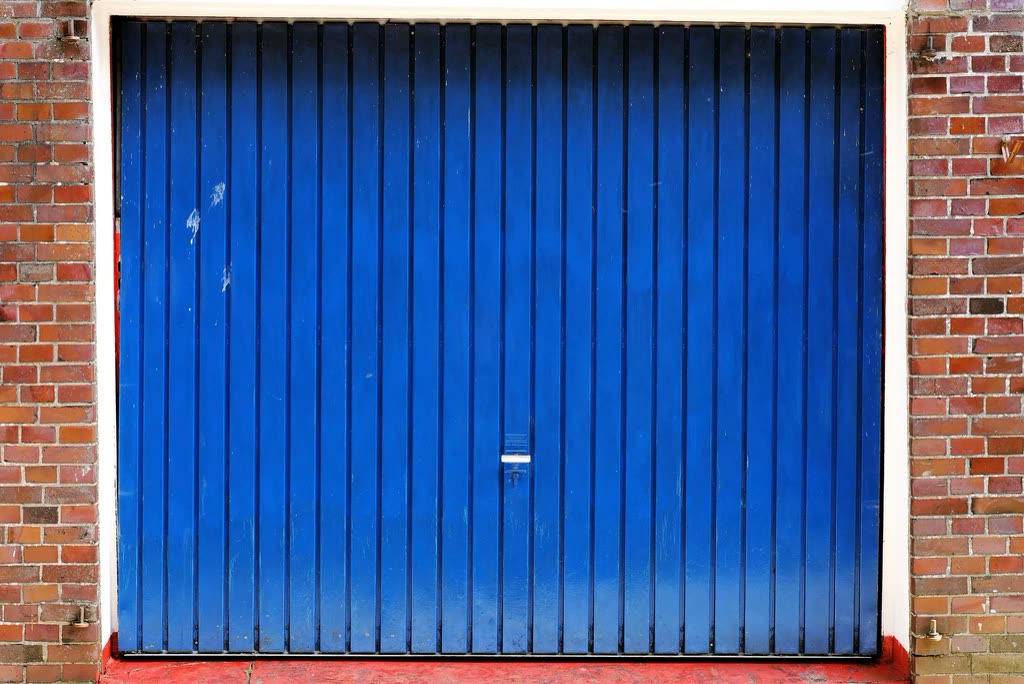
Most homeowners never think about how often to service a garage door until it stops working, and by then the fix costs a lot more than routine maintenance ever would have. It's a heavy moving mechanical assembly, not a static fixture, and skipping care catches up with it faster than most people expect. Here's the honest schedule Larry recommends.
How often should a garage door be serviced?
A garage door should get a professional tune-up once a year, plus a 2-minute homeowner check every month. If your household uses the door four or more times a day, or the door and opener are more than 10 years old, bump the professional visit to twice a year. That's the baseline we recommend to every customer, no upsell needed.
A garage door isn't a static fixture like a front door. It's a several-hundred-pound moving assembly of springs, cables, rollers, and tracks that opens and closes hundreds of times a year, and every one of those cycles wears something down a little. "Set it and forget it" works fine for a lot of things around the house. It doesn't work for the heaviest moving object most people operate every single day.
The twice-a-year recommendation isn't a sales tactic, it's just math. A household that comes and goes four or more times a day (two working adults, a couple of kids in activities, a home gym or workshop in the garage) puts a lot more cycles on the springs and rollers than a household using the door twice a day. And once a door and opener cross the 10-year mark, tolerances tighten: rollers that were fine at year six start showing flat spots at year eleven, and a spring that's been quietly fatiguing for a decade doesn't give much warning before it lets go. In both cases, a second yearly check simply catches problems in the six months a once-a-year schedule would have missed.
Does Missouri's weather change how often you should service your garage door?
Yes, and it's a bigger factor in Missouri than in much of the country. St. Charles County, Lincoln County, and Warren County see roughly five months a year, November through March, where daytime highs climb into the 40s and 50s while overnight lows regularly fall below freezing, especially December through February (NOAA 1991-2020 climate normals, as compiled by Current Results).
That's a textbook freeze-thaw cycle: moisture works into hardware and seals during the day, then re-freezes overnight, over and over, all winter.
Pair that with Missouri's annual average relative humidity of around 70%, and mornings that regularly sit near 83% (Current Results, Average Humidity Levels for Missouri), and you've got conditions that accelerate rust on springs and tracks, stiffen and crack weather seals, and push doors out of balance faster than a dry, stable climate would. We see it on service calls all over St. Charles County and out into Lincoln and Warren Counties, from our shop in Wentzville to every corner of the tri-county area: doors that are barely five or six years old already showing wear you'd expect from a door twice that age, because nobody serviced them through a few Missouri winters.
What's included in a professional garage door tune-up?
A real tune-up is a full mechanical inspection, not just a squirt of oil on the hinges. When our techs come out for a Service & Maintenance visit here in St. Charles County, here's exactly what we check, adjust, and test before we leave.
- Lubrication of hinges, rollers, tracks, and the drive chain or belt, using the right lubricant for each part (not just whatever's in the garage)
- Roller inspection for cracking, flat spots, or bearings that are starting to seize
- Weather seal check along the bottom and sides, since a cracked seal lets in the moisture that causes the rust problem above
- Spring tension and balance check, disconnecting the opener and testing whether the door holds position on its own partway up
- Safety reverse test, confirming the auto-reverse function still stops and reverses the door on contact, which is a federally mandated safety feature on every opener made since 1991 (U.S. Consumer Product Safety Commission, CPSC Safety Standard Targets Garage Door Deaths)
That balance and safety-reverse check is the part homeowners skip most often when they try to DIY a "tune-up" with a can of WD-40. It's also the part most likely to catch a problem before it becomes an emergency.
What can a homeowner safely check every month?
Between professional visits, a 2-minute monthly check catches problems early without any risk. Look, listen, and test, that's it. The International Door Association's consumer guidance recommends exactly this: a visual inspection, a balance test, and a reversal test, all things any homeowner can do safely (International Door Association, Consumer Resources).
Here's the routine:
- Balance test: with the opener disconnected (pull the manual release cord), lift the door halfway by hand. It should stay in place on its own. If it drops or shoots up, the springs are out of balance, call us, don't adjust it yourself.
- Photo-eye test: wave a broom handle through the sensor beams near the floor while the door is closing. It should stop and reverse immediately. If it doesn't, the sensors may be misaligned or dirty.
- Listen: run the door through a full cycle and pay attention to new grinding, popping, or scraping sounds that weren't there last month.
- Visual check: glance at the springs, cables, and rollers for obvious rust, fraying, or cracking.
We want to be direct about where the DIY line is. Lubricating hardware, testing sensors, and visual inspection are all safe. The torsion spring and lift cables are under extreme mechanical tension and are never a homeowner repair, full stop. CPSC data shows an average of roughly 20,000 people a year have been treated in hospital emergency rooms for garage door related injuries, which is exactly why that line exists (U.S. Consumer Product Safety Commission, CPSC Safety Standard Targets Garage Door Deaths).
What are the warning signs your door needs service now?
A handful of signs mean don't wait for the next scheduled tune-up: new grinding or popping noises, a door that suddenly feels heavier when lifted manually, visible rust or fraying on the springs or cables, and a door that no longer opens level on both sides. Each one signals a problem already in progress, not one still coming.
A few of these deserve a closer look. Grinding or popping usually means a roller bearing is seizing or a track has shifted out of alignment, and it tends to get louder (and more expensive to fix) the longer it's ignored. A door that suddenly feels heavier to lift by hand is one of the clearest signals a spring is losing tension, since the spring is what's supposed to be doing nearly all the lifting work, not your arms. And a door that drops unevenly on one side almost always means a cable has slipped or snapped on that corner, which puts the whole door under uneven load until it's corrected.
If you're seeing any of those right now, this maintenance schedule isn't the guide you need. Our full symptom guide walks through exactly what's safe to check yourself and when to stop and call a pro, based on what your door is actually doing.
Is a tune-up actually worth it compared to an emergency repair call?
Almost always, yes. A scheduled tune-up is a planned, daytime visit on a working door. The failures it prevents are unplanned, often land on a weekend, and carry an after-hours premium on top of the repair itself. The table below shows what routine service is actually protecting.
| Component | Typical service life | What routine service does | How it fails if skipped |
|---|---|---|---|
| Torsion springs | ~10,000 cycles, roughly 6 to 7 years at four uses a day | Inspection for fatigue, rust, and gapping; balance check | Snaps without warning, usually with the door down and a car behind it |
| Lift cables | Wear alongside the springs | Checked for fraying and correct seating on the drum | Frays through, door drops crooked and jams in the tracks |
| Rollers and tracks | Varies with use and alignment | Lubrication, hardware tightening, track alignment | Door binds, then comes off track under load |
| Opener | 10 to 15 years | Force and safety-reverse testing, sensor alignment | Burns out early from fighting an unbalanced door every cycle |
| Door sections | 20 to 25 years | Hardware and seal inspection | Panel and hinge damage from repeated hard stops |
Sources: DASMA TDS-190, Factors Affecting Spring Cycle Life; InterNACHI, Standard Estimated Life Expectancy Chart for Homes.
Notice the pattern: nothing on that list fails on its own schedule. Each one fails early when something upstream goes unchecked. The opener line matters more than people expect. When a spring starts to fatigue and nobody catches it, the opener ends up lifting a door the springs are no longer carrying, on every single cycle, and a unit rated for 10 to 15 years gets retired years ahead of that.
We'd rather see you once a year on a working door than once on an emergency call that leaves your car stuck in the garage until we get there. If it's been a while since anyone's looked at your door, reach out to Larry's team for a quote and let's get it back on a schedule, before the small stuff turns into a broken door.
Frequently Asked Questions
- What is included in a professional garage door tune-up?
- A standard tune-up covers lubrication of hinges, rollers, and springs, inspection and tightening of all hardware, a balance test to confirm the springs are still carrying the door, and a safety-reverse test on the opener and its photo-eye sensors. Pricing depends on the door and what the technician finds, so ask for a quote up front.
- Can I do any of this garage door maintenance myself?
- Yes. Lubricating hinges and rollers, visually checking hardware, testing the photo-eye sensors, and listening for new noises are all safe homeowner tasks. Anything involving the torsion spring or lift cables should always go to a trained technician.
- How long does a professional garage door tune-up take?
- Most tune-up visits take about 30 to 45 minutes for a standard residential door, longer if a technician finds a part that needs adjustment or replacement while they're already there.
- What's the difference between a tune-up and a repair visit?
- A tune-up is preventive: lubrication, inspection, and adjustment on a door that's still working. A repair visit means something has already failed, like a broken spring, snapped cable, or off-track roller, and it's almost always more expensive and more urgent than a scheduled tune-up.
- Will skipping regular maintenance void my garage door's warranty?
- Many manufacturer warranties on openers and springs require documented regular maintenance to stay valid. Check your specific paperwork, but a yearly professional visit with a receipt is cheap insurance either way.
- How do I know if my door needs service now instead of waiting for its next scheduled tune-up?
- New grinding or popping noises, a door that feels heavier than usual when lifted manually, visible rust or fraying on the springs and cables, or a door that no longer stays level when opening are all signs to call now rather than wait. Our full symptom guide covers what's safe to check yourself and what isn't.
Need Garage Door Help?
No gimmicks, no hidden fees. You don't pay until the job is done.